From your first message to the morning after
A Santorini proposal takes five stages, and only two of them need anything from you. One message starts it, a written quote ends the deciding, and everything between those two points is our job. The secret is kept from the first line onward, including from the person you are proposing to.
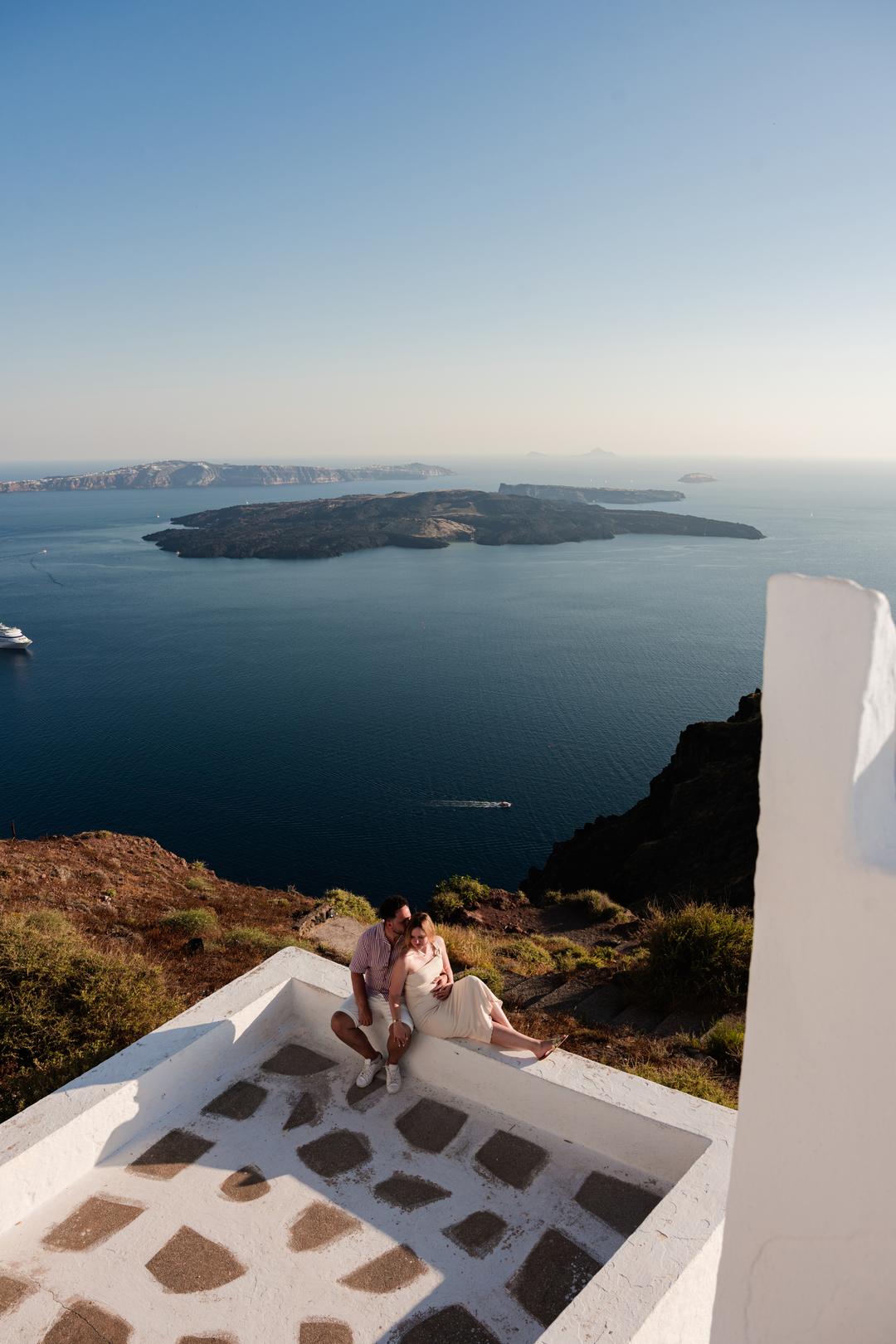
Two of these five stages need something from you. The other three are what you are paying for.
Most proposal companies describe their process as a mood: we listen, we craft, we deliver. That tells you nothing about who replies, how fast, or what happens when the wind gets up on a Thursday. Here is the actual sequence, with the parts that are your job marked as such.
Five stages, two of them yours
You write once. Your job. A rough date window and a sentence about how you picture it is enough. You do not need to have chosen a spot, a package or a budget, and choosing them early tends to be wasted work. Tell us in that first line how to reply to you safely.
A planner answers with a straight read. Within one working day, usually sooner. Not a brochure: which settings are realistic for those exact dates, what the light will be doing, and a real starting figure. If your date is a difficult one for what you have described, that is in the first reply rather than the fourth.
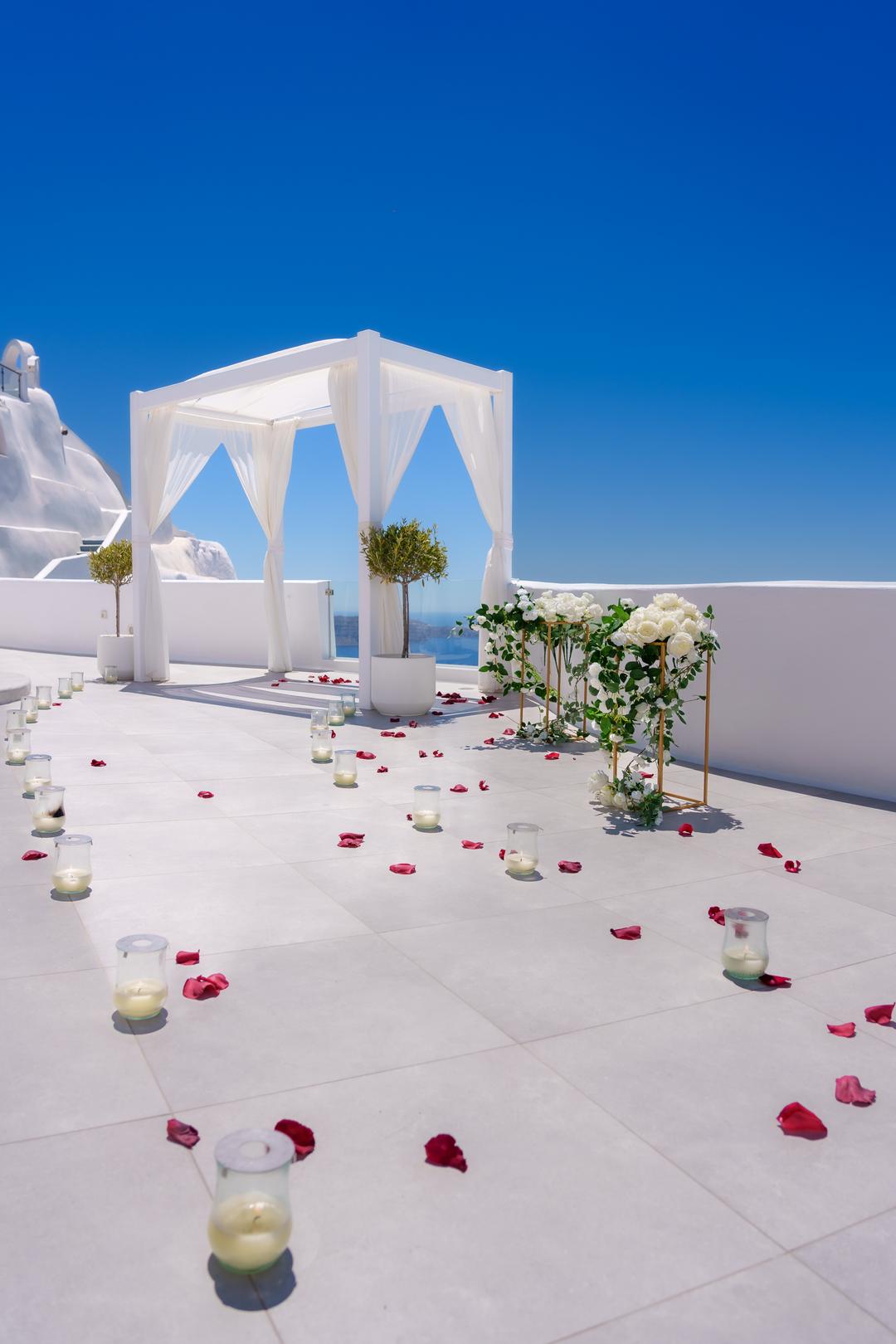
The spot is chosen against the crowds and the wind. Every location we use is scored for privacy, exposure and sunset, and the scores do not move because a date is worth money. The sheltered alternative is agreed in writing before you fly, with its own arrival time, so nobody is inventing a plan B while you are getting dressed.
You are given a minute, not an hour. Your job is to be there. The arrival time is worked backward from that month's sunset. In June that means being in position by 19:25 for a 20:40 sunset; in October it is 17:40 for 18:45. The photographer is already there and looks like nobody in particular.
Afterward. The photographs follow. The plan stays on file, which matters more than it sounds: couples come back, and the second conversation is much shorter when we still have the first one. When the return is to marry here rather than to propose again, that file is where the planning starts.
The two arrival times above are read from the same monthly table published on the sunset times page, which lists all twelve months and is explicit that these are monthly averages rather than per-day precision.
What we need from you, and what we do not
We need a date window, a way to reach you that will not be seen, and an honest answer about how public you are willing to be. That last one decides more than any other single answer, because it rules whole categories of setting in or out before anything else is discussed.
We do not need you to know the island. We do not need you to have shortlisted anywhere, and a shortlist assembled from other people's photographs is usually the first thing we unpick. We do not need a decision on the day you write.
You can see what each package actually contains on the packages page, or start with the two-minute enquiry if you would rather just ask.
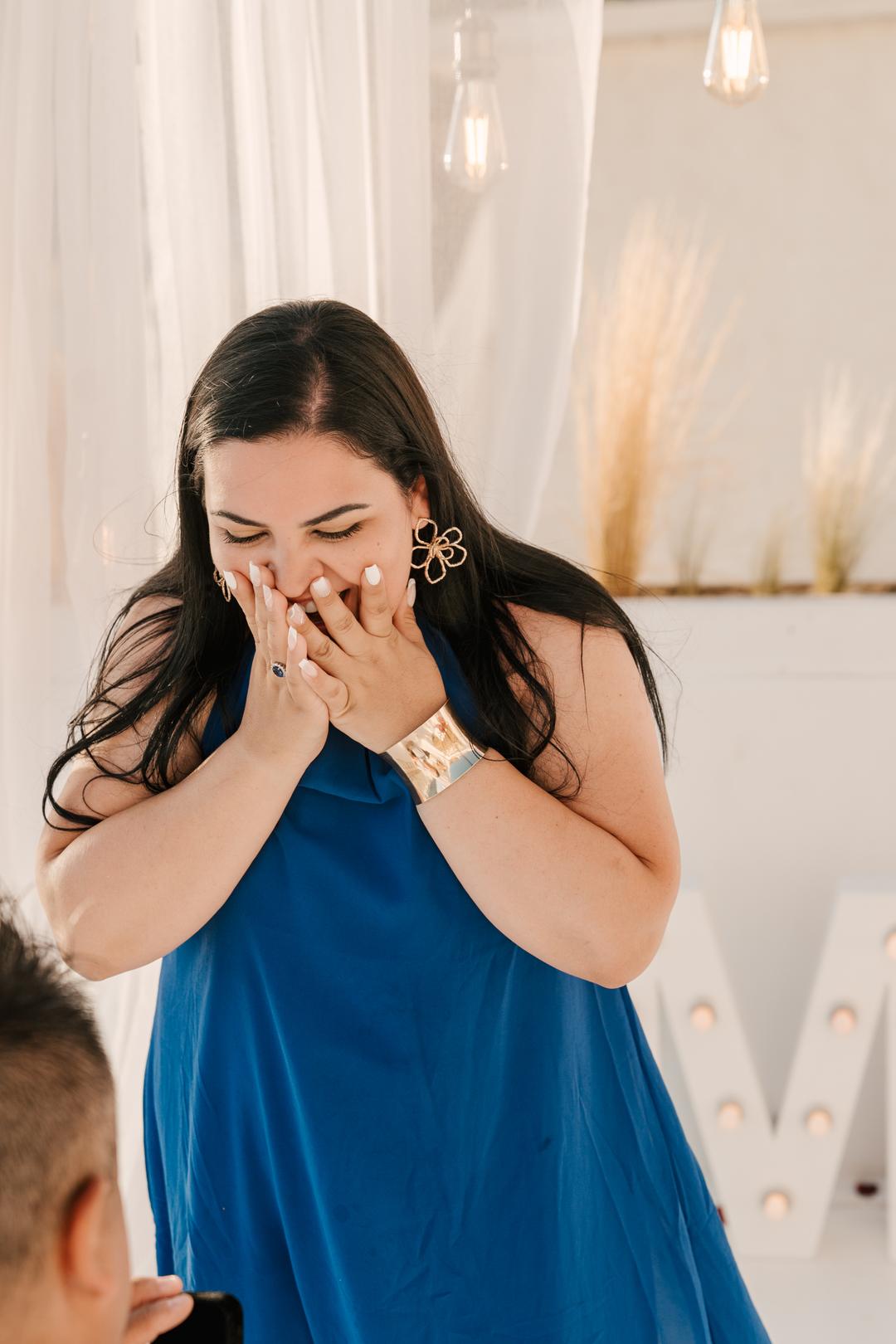
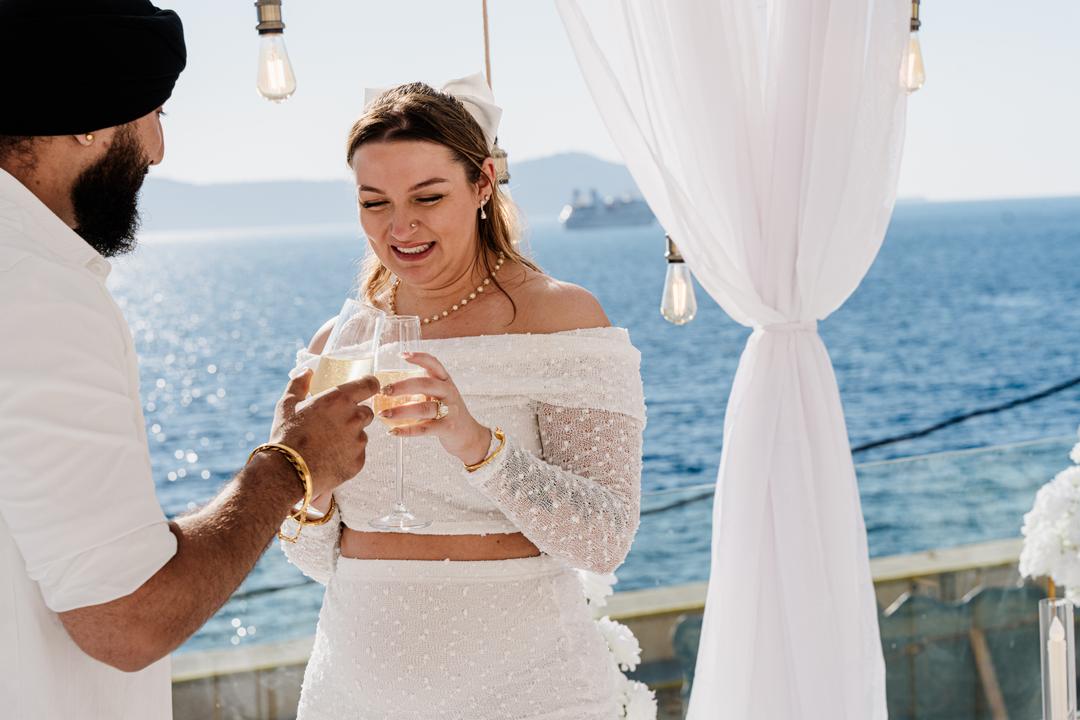
Where this goes wrong elsewhere
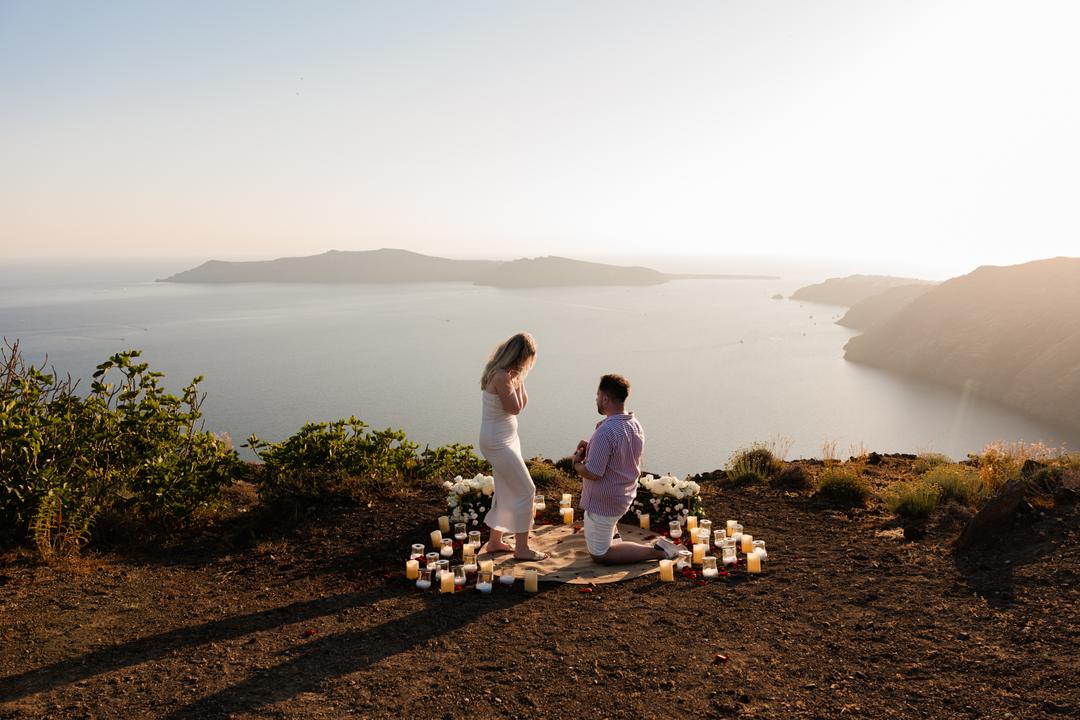
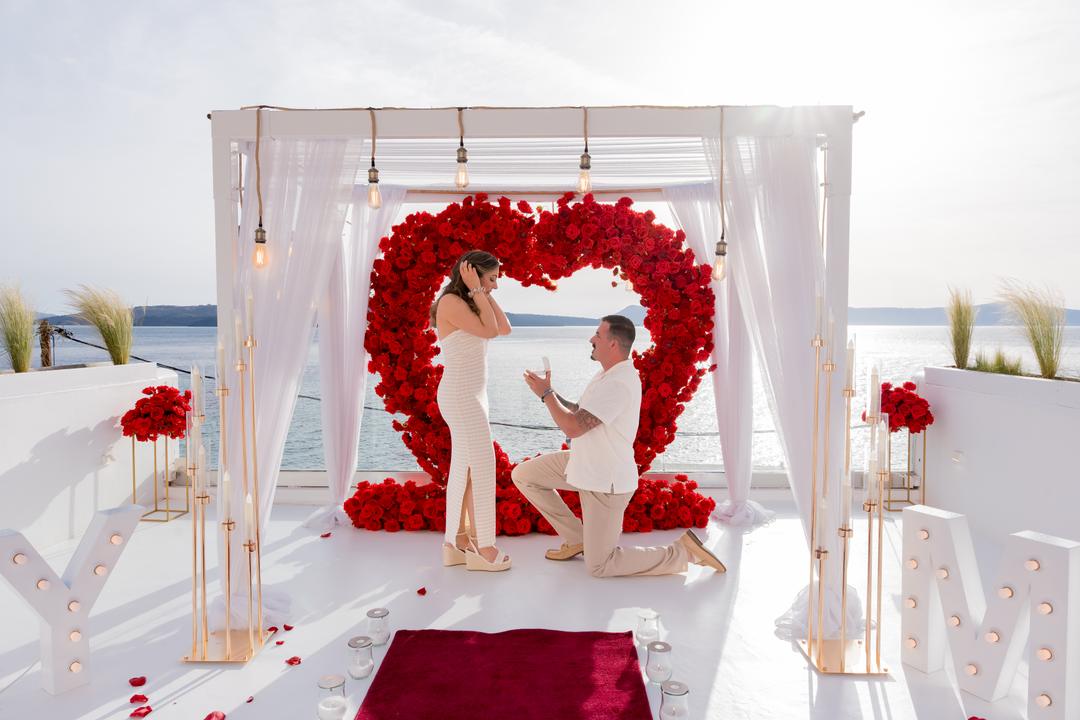
Three failures account for most of the disappointing evenings we hear about, and none of them are bad luck. A spot chosen from a photograph rather than from a visit, so the crowd arrives with you. A plan B that was never written down, so it becomes an argument at the worst possible hour. And an arrival time given as an hour rather than a minute, which is how couples end up standing at the rail through the part where the light was actually good.
Every one of those is a planning failure with a name, which is why the sequence above is published rather than described as a philosophy.
What people ask before the first message
How much do we need to have decided before writing?
A rough date window and nothing else. Not the spot, not the package, not the budget. Couples who write with everything already chosen usually change at least one of those once they see what the island actually does on their dates, and that is the conversation we would rather have in week one than in the taxi from the airport.
Who actually replies to the first message?
A planner, not an inbox. The reply comes within one working day and usually sooner, and it contains a straight read on your dates rather than a brochure: which spots are realistic that week, what the light is doing, and a real starting price. If we think your date is a poor one for what you have described, that goes in the first reply too.
How do you keep it secret from the person I am proposing to?
You tell us how you want to be contacted and we use only that. Every reply is written on the assumption it may be read over your shoulder, which is why our messages never open with the word proposal. If a shared email or a shared phone is the only option, say so in the first line and we will work around it.
What if the weather turns on the day?
The alternative is already written down and agreed before you fly, and it is a specific place with a specific arrival time, not a vague promise to sort something out. The call gets made in daylight by the planner on the ground, with enough hours left to move everything, rather than at the moment you are due to arrive.
How far ahead should we book?
For May to September, as far ahead as you comfortably can; the private settings go first and the good arrival slots go with them. Outside those months a few weeks is usually enough. If you are already on the island and reading this, write anyway and say so, because a short-notice evening is a different plan rather than an impossible one.
Tell us the date. We will hold the light.
One conversation is enough to know whether we are the right house for your proposal. No pressure, no scripts — just an honest read on your dates.
Prefer to write first? WhatsApp us at +30 694 4803339 — a planner replies, not a bot.