What to say, without a script
Your proposal speech needs a structure, not a script: Past-Present-Future, The Small Detail, or The Promise. Keep it thirty to sixty seconds, memorize only your first and last lines, and end on the plain four words. Nerves are expected; pausing is allowed; the wind gets a plan too.
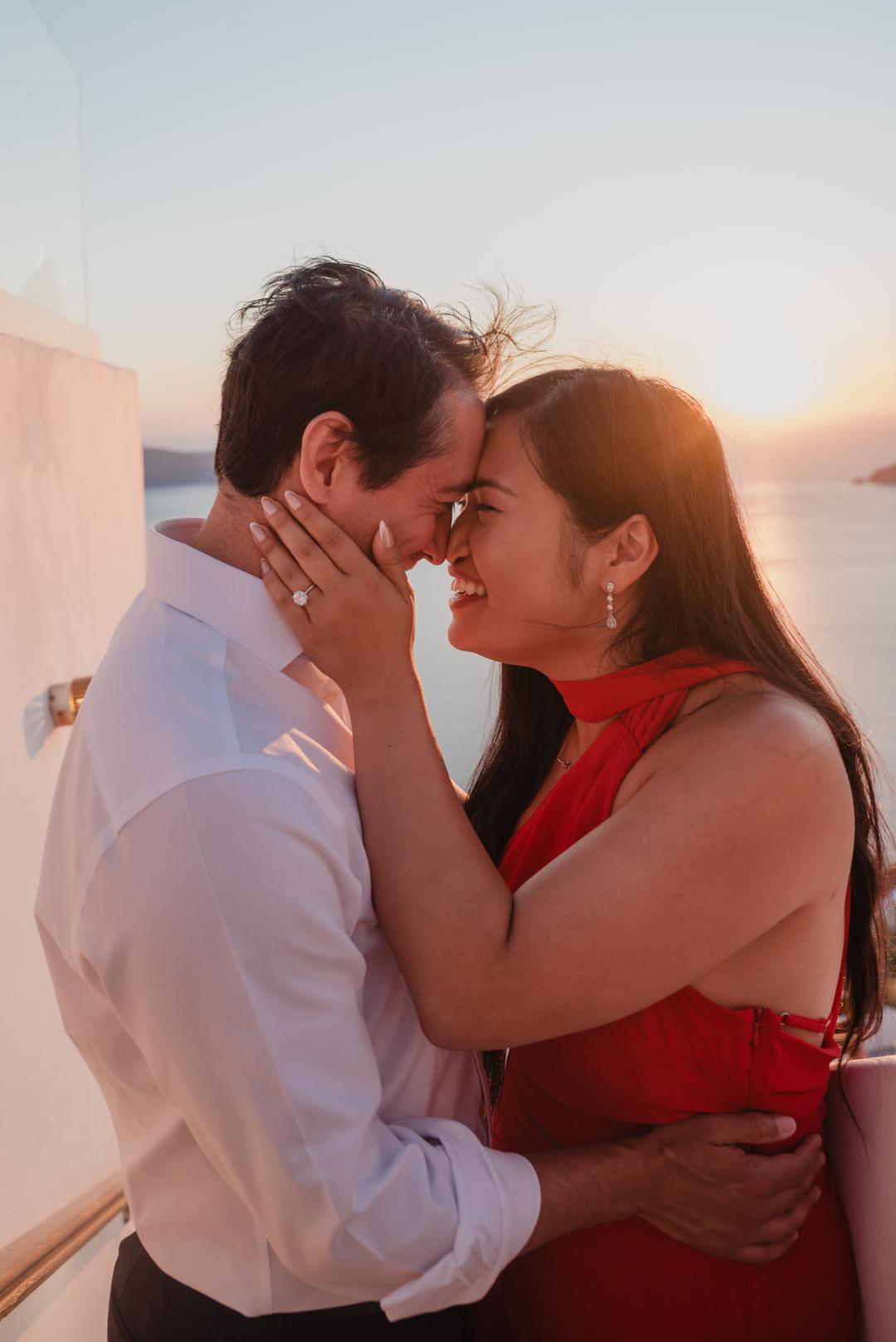
What are you actually trying to say? Strip the panic away and the answer is small and enormous: how it started, who you have become together, and that you are asking for all of it, permanently. Every memorable proposal speech we have witnessed says those three things in some order — and every unmemorable one tried to say something fancier. You do not need lines. You need a load-bearing structure and two sentences you know cold.
What are the three proposal speech frameworks?
| Framework | Opening-line pattern | Best for | The risk |
|---|---|---|---|
| Past–Present–Future | "The first time I saw you…" | Storytellers; long histories | Getting lost in act one — cap the past at two beats |
| The Small Detail | "You always [tiny specific thing]…" | The observant; understaters | Choosing a detail only you find moving — test it |
| The Promise | "I want to promise you three things." | Plain speakers; nerves-prone | Promises going generic — make each one concrete |
Worked examples, as templates
Past–Present–Future: "The first time I saw you, [one beat — the coffee line, the wrong train]. I did not know then that [one true thing about who they became to you]. Now I cannot picture a single version of my life that does not have you in the middle of it. So I am asking —" and the four words. The Small Detail: build everything from one tiny specific — "You always sing the wrong lyrics on purpose" — then widen: that detail is the marriage in miniature, and you want it forever. The Promise: three concrete vows — never the dishes joke alone, always one that costs something — then: "and I want to make them official."
Notice what all three end with: the question, plain. "Will you marry me" has survived every generation because at the summit of the biggest sentence of your life, ornament is noise.
Matching words to setting
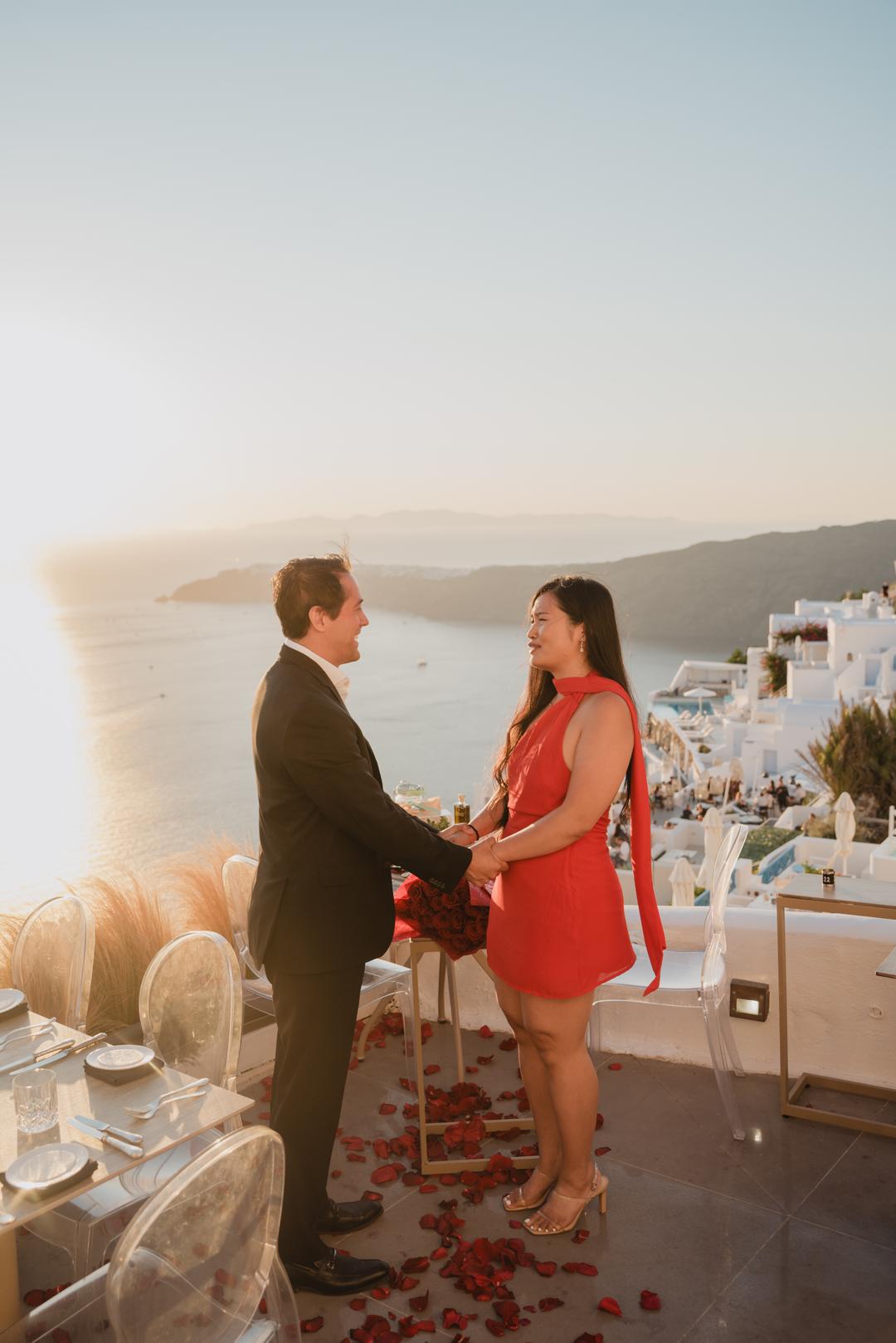
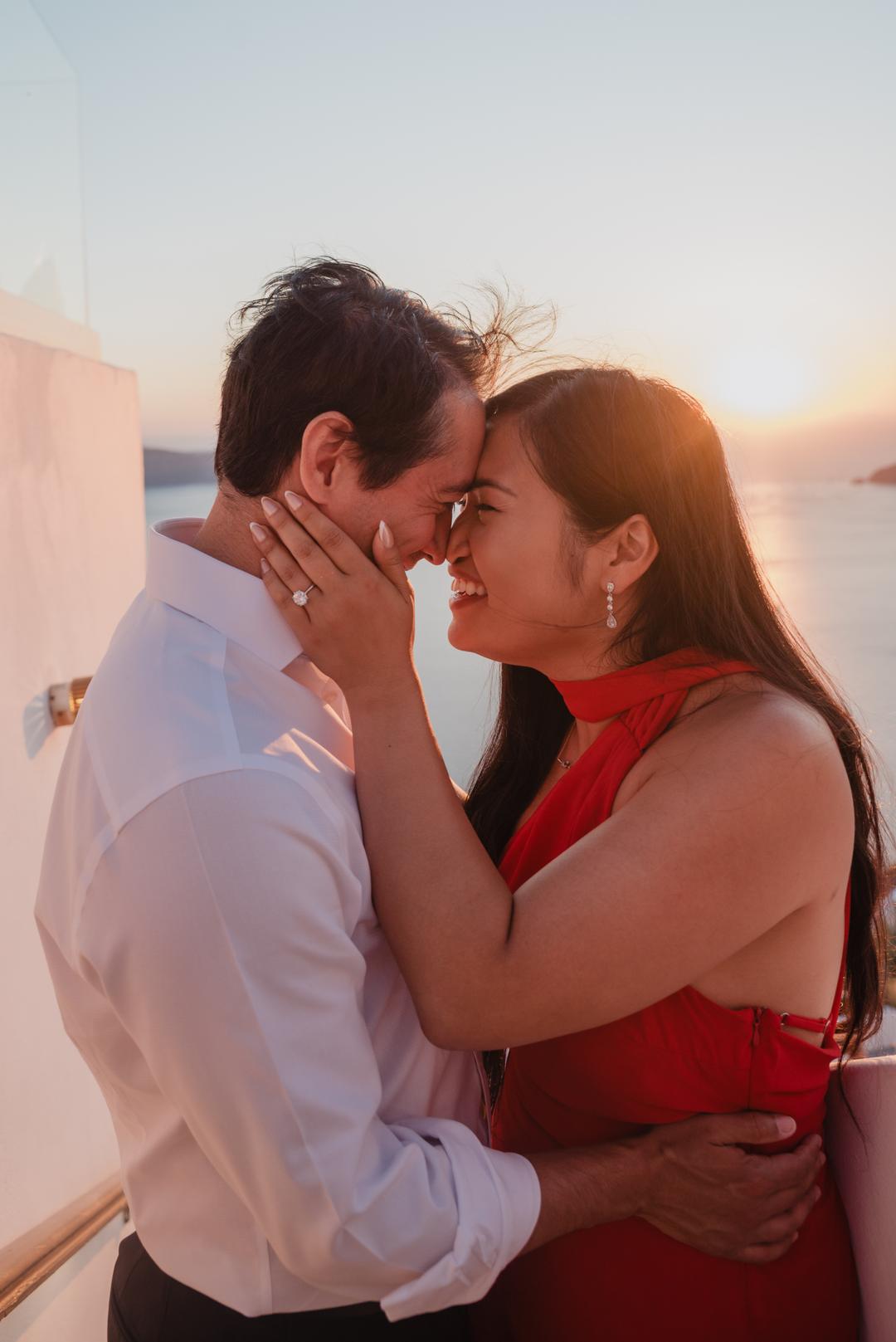
A dinner table flatters the Promise framework — intimacy, notes permitted, no wind. Clifftops and rails want brevity and the two memorized lines; the delivery mechanics live in the FAQ below. And if keeping the words is part of why you are writing them, say so early: capturing the audio is the entire argument of the film page. Where the speech sits inside the whole evening — the minute, the mark, the breath before — is step-by-step in the method, with the day-of nerve management in the field advice. The setting, the timing, and the hidden camera are a package; the words were always going to be yours.
Delivery, under real conditions
How long should the speech actually be?
Thirty to sixty seconds spoken — which is more words than it sounds and exactly as many as the moment can hold. Under thirty feels abrupt to the person hearing it; past ninety, adrenaline starts eating both your delivery and their absorption. Write it out if that helps you think, then cut it to the sentences you would grieve losing.
Memorize the whole thing or bring notes?
Memorize two sentences: your opening line and your closing line. The middle travels as ideas, not text — nerves scramble scripts but leave stories intact. Notes belong at a dinner table where reaching for a card reads as charming; on a clifftop they read as a press conference. Either way, the last line is the four words, unadorned.
What if I start crying and cannot continue?
Then the speech is going perfectly. Pausing is allowed; breathing is allowed; laughing at yourself mid-sentence is remembered fondly forever. The partner in front of you is not grading delivery — they are watching someone they love struggle to say the biggest thing they have ever said. Stop, squeeze their hands, resume. The moment holds.
How do we handle wind and waves drowning the words?
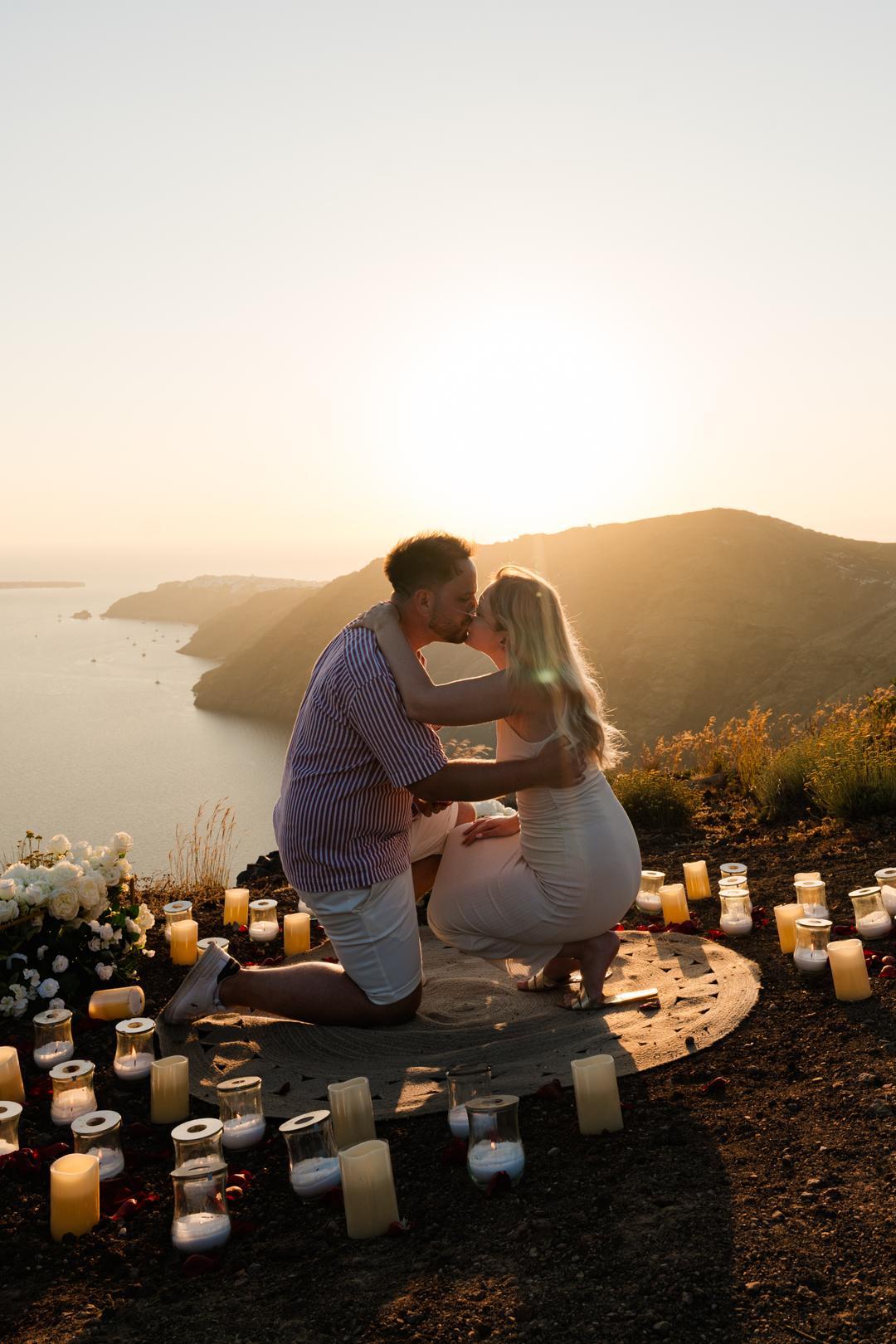
Physics, not volume: step close enough that your voices share air, slow the pace by a third, and drop your pitch rather than shouting — low carries under wind where loud shreds. On boats and exposed rails, save the speech for a sheltered pause and keep only the question itself for the dramatic mark. The film team mikes accordingly.
Tell us the date. We will hold the light.
One conversation is enough to know whether we are the right house for your proposal. No pressure, no scripts — just an honest read on your dates.
Prefer to write first? WhatsApp us at +30 694 4803339 — a planner replies, not a bot.